
The Difference Between Habit and Addiction
A habit is a behavior you repeat by choice and can stop when you decide to. An addiction is a chronic medical condition in which you keep using a substance or repeating a behavior even when it harms you and you want to stop. The dividing line is control. With a habit, you keep it. With an addiction, you lose it.
Most addictions begin as habits before they move into destructive territory, which is why the two are so easy to confuse. Any habit has the potential to become an addiction, but most never do, and each produces a different emotional response. If you have ever questioned where the line falls, you are not alone. Understanding that gray area helps you make sense of what is driving your behavior, why it feels hard to stop, and what it might mean for your well-being.
Quick Read
- •A habit is a behavior you repeat by choice and can stop when you decide to. An addiction is a chronic medical condition you keep repeating even when it harms you and you want to stop.
- •The dividing line is control: habits leave it intact, addiction erodes it.
- •Most habits never become addictions. Only about 15% to 20% of people who use drugs go on to develop one.
- •A habit crosses into addiction when you lose control and keep going despite harm to your health, work, or relationships.
- •Addiction is a brain disease, not a willpower problem, which is why treatment and support usually matter more than good intentions.
- •You can often break a habit early by spotting its triggers and replacing the routine before it turns compulsive.
What is the Difference Between a Habit and an Addiction?
The difference comes down to control and impact. A habit is something you do repeatedly, often without thinking, but you can usually stop or change it if you decide to. An addiction feels like it is in control of you. Even when you want to stop, something inside pushes you to keep going, even when you are aware of the harm it is causing.
It is easy to brush off certain behaviors as “just a habit.” Maybe it is an extra drink after work, a nightly scroll through social media, or the constant urge to check your phone. When that routine starts to feel less like a choice and more like something you have to do, it is natural to wonder if something deeper is going on. The American Society of Addiction Medicine defines addiction as a treatable, chronic medical disease in which people keep using substances or repeating behaviors compulsively despite harmful consequences.
The Role of Consequences
Consequences are what separate a harmless habit from an addiction. Habits can be positive, neutral, or slightly unhelpful, but addictions tend to create ongoing harm. What starts as a way to relax or cope with stress can grow into something that disrupts your daily life, affecting your mood, energy, motivation, and sense of stability. When a routine begins to cause problems at work, at home, or within yourself, it may no longer be a simple habit.
How a Habit Can Become an Addiction
A habit becomes an addiction when you lose control over it and keep going despite the harm it causes. This shift can happen slowly or quickly depending on what is happening internally, and a major factor is whether destructive behavior has surfaced. Are you hurting others with the behavior? Are you hurting yourself?
Part of the answer lies in the brain. Repeated substance use can hijack the brain’s reward circuits and weaken the prefrontal cortex, the region responsible for decision-making, which is why willpower alone is rarely enough to stop. Even so, not everyone who uses a substance reaches this point. Research suggests only about 15% to 20% of people who use drugs go on to develop an addiction.
When It’s Still a Habit
It is still a habit when the behavior stays routine but does not harm your health, work, or relationships. Say you go out with friends every Friday and Saturday to blow off steam. You drink responsibly, meaning you do not embarrass yourself, drive drunk, or hurt anyone. You might even add a Trivia Tuesday to the week.
As long as it doesn’t affect your job or relationships, and you aren’t struggling with depression or another mental illness, this behavior would be classified as a habit.
When It Starts to Cross the Line
A habit starts crossing the line when you begin using it to cope and it starts damaging your relationships or responsibilities. Take the same scenario, but add an unexpected breakup. The nights out get heavier, and the drinking spreads into the week. Weekend excess becomes Sunday mimosas to ease the discomfort, which turns into occasional cocktails throughout the day.
Before long, you’re showing up to work hungover, friends are noticing, and both your relationships and job performance are suffering.
When a Habit Becomes Dependence
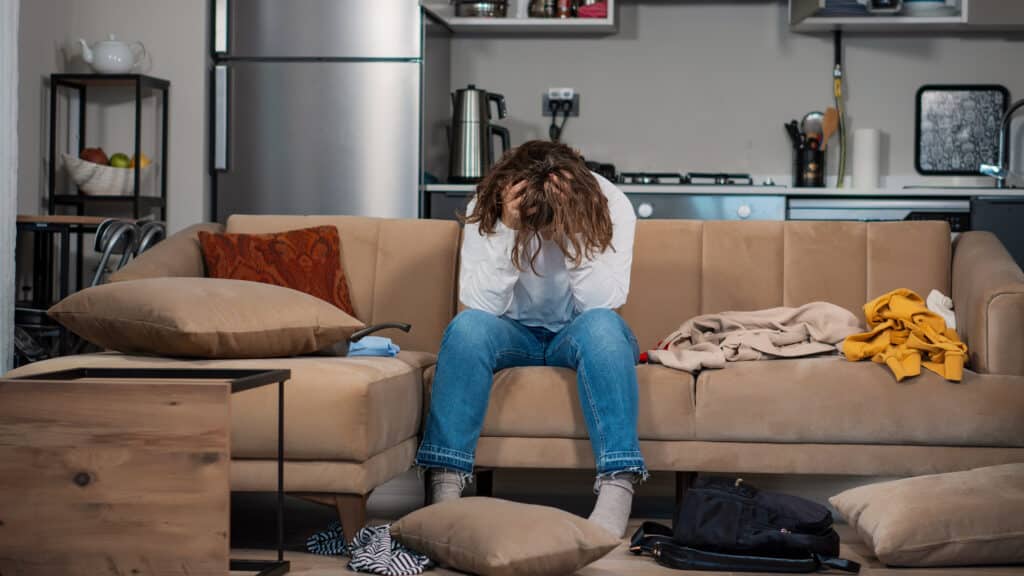
Dependence sets in when you can no longer function comfortably without the substance or behavior. Despite the warning signs, it still feels better to be drunk than not. This is the point where the substance has become a tool for self-medication. It quiets the internal suffering and shuts out the negative inner voices, so the more you use it, the less you can function without it. That is how an addiction takes hold.
How to Break a Habit Before it Becomes an Addiction
Habits form through repetition, but they can also be reshaped the same way. The key is to notice when a behavior starts feeling less like a choice and more like a reflex. By paying attention to what triggers your habits and replacing them with healthier alternatives, you can interrupt the cycle before it takes control.
These practical steps can help you stay mindful, build better routines, and prevent a habit from turning into something harder to manage.
1. Recognize the Cues
Start by identifying what sets the behavior in motion. Every habit has three parts: a cue, a routine, and a reward. Cues are what make you want to engage with a bad habit, so if you are cutting back on drinking, driving past your favorite bar may be a trigger.
Practicing mindfulness can make this easier. By slowing down and paying closer attention to your thoughts, emotions, and surroundings, you’ll start noticing the small moments that lead up to your habits. This gives you a chance to pause and choose a different response before the urge takes over.
2. Exchange a Bad Habit for a Good One
The best way to stop doing something may be to start doing something else in its place; replace the behavior instead of simply removing it. If 5 p.m. was your nightly time for a glass of wine, stock up on some non-alcoholic options so you have a relaxing alternative when it’s time. Giving yourself an external action will help your mind focus on what you can have instead of what you can’t.
3. Think of a Better Reason to Quit
Lasting change often comes from finding a reason that feels meaningful to you. Instead of focusing on what you’re giving up, think about what you’re gaining. Maybe cutting back helps you wake up clear-headed, be more present with your family, or feel more confident in your decisions.
Connect your motivation to something that improves your quality of life, like peace of mind, better relationships, or personal growth. This makes it easier to stay committed, even when temptation hits.

4. Set Better Goals
Plan ahead for moments of temptation so you can respond intentionally instead of on impulse. For example, if you tend to grab your phone the moment you wake up, try unplugging by keeping it in another room and starting your morning with a short stretch or a few minutes of quiet instead. Setting specific, realistic goals like this makes it easier to build new habits that support your well-being.
FAQs About Habits and Addictions
1. What is the difference between a habit and an addiction?
A habit is a behavior you repeat by choice and can stop when you decide to. An addiction is a chronic medical condition in which you keep using a substance or repeating a behavior even when it harms you and you want to stop. The main difference is control: a habit leaves your control intact, while addiction erodes it.
2. When does a habit become an addiction?
A habit becomes an addiction when you lose control over it and continue despite clear harm to your health, work, or relationships. The shift often happens when a behavior stops being a choice and starts being something you feel you have to do, especially when it is used to cope with stress or emotional pain.
3. Do all habits turn into addictions?
No. Most habits never become addictions. Research suggests only about 15% to 20% of people who use drugs go on to develop an addiction. Whether a habit crosses the line depends on factors like genetics, stress, mental health, and how early and often the behavior is repeated.
4. Is addiction a choice or a disease?
Addiction is a medical disease, not a moral failing or a simple lack of willpower. Substance use changes the brain’s reward and decision-making circuits, which is why people with addiction keep using even when they want to stop. This is also why most people need treatment and support, not just good intentions, to recover.
5. Can you break a habit before it becomes an addiction?
Yes. You can often interrupt a habit before it becomes an addiction by noticing its triggers, replacing the routine with a healthier alternative, and connecting change to a personally meaningful reason. If you cannot stop on your own or the behavior is already causing harm, professional treatment can help.
6. What are the warning signs that a habit has become an addiction?
Warning signs include needing more of the substance or behavior to feel the same effect, being unable to cut back despite wanting to, neglecting work or relationships, and feeling anxious, irritable, or low when you stop. If a routine is causing harm and feels impossible to control, it may be an addiction.
Find Healthier Ways to Live
If you or someone you care about is having a difficult time taking control of a habit-turned-addiction, we at The Meadows Outpatient Center would like to help.
We offer many forms of addiction treatment and design each program around a patient’s specific needs. Our team is here to help you break free from your addiction and provide you with the tools needed to achieve lasting recovery. Reach out today to learn more and take that first important step to healing and wellness.
More About Addiction
- Gaming Addiction: When Recreation Becomes Problematic
- What Is Replacement Addiction? Why One Habit Can Turn Into Another
- What’s the Connection Between PTSD and Substance Abuse?