
The Benefits of IOPs
Finding the right treatment can feel confusing when you’re trying to get help for yourself or someone you care about. Many people know about inpatient programs, but fewer understand where Intensive Outpatient Programs (IOPs) fit in or who they’re best suited for. If you don’t need 24-hour supervision but you still need more support than weekly therapy, an IOP can offer a steady, structured path toward healing without stepping away from daily life.
In this guide, we’ll break down how IOPs work, who they’re designed for, and what makes them an effective option for long-term recovery. Whether you’re exploring treatment for the first time or looking for the next step after another level of care, this overview can help you feel more confident about your options and what to expect.
What Is an IOP?
Similar to a PHP, an IOP provides structured treatment, but with fewer hours each day so you can stay more connected to your routine. An IOP can act as a step up from regular therapy sessions if you need more resources and accountability than weekly meetings. It’s also the perfect step down from inpatient programs, offering a helping hand as you adjust from full-time treatment back into regular daily life.
How Does an IOP Work?
An Intensive Outpatient Program works by giving people structured support several days per week while still allowing them to live at home and maintain parts of their daily routine. Instead of staying in a treatment facility full-time, you attend scheduled therapy sessions and recovery-focused programming for a set number of hours each day.
Most IOPs include:
- A weekly schedule of individual and group therapy
- Education on coping skills, relapse prevention, and emotional regulation
- Support for mental health conditions like anxiety, depression, or unresolved trauma
- Regular check-ins with licensed clinicians
- A combination of evidence-based therapies tailored to your needs
You typically participate in the program three to seven days a week, depending on your treatment plan. Sessions may take place in the morning or evening to make the program easier to fit around school, work, or family responsibilities. Throughout the process, you learn how to manage cravings, identify triggers, strengthen emotional resilience, and build healthier routines.
In short, an IOP provides more structure than weekly therapy but more flexibility than inpatient care. This makes it a strong option for people who need consistent support to stay on track while still practicing their recovery skills in real life.
What Are the Benefits of an IOP?
IOPs give people strong clinical support without pulling them away from everyday life. For many, it provides the right mix of structure, accountability, and flexibility to make steady progress in recovery. Below are some of the most meaningful benefits an IOP can offer.
Stay Connected to Work, School, and Daily Life
One of the biggest advantages of an IOP is that you don’t have to step away from your responsibilities. You can attend therapy, build coping skills, and receive consistent support while continuing to work, go to school, care for family, or maintain your routine. This balance helps people apply what they learn in real time rather than trying to reintegrate all at once after leaving an inpatient setting.
Flexible Schedule That Fits Your Routine
IOPs are designed to fit into real life. Sessions are often offered in the morning or evening, making it easier for people to get the help they need without disrupting their entire day. This flexibility is particularly helpful for adults balancing multiple commitments or young adults trying to stabilize school and social demands while still prioritizing recovery.
Practice Skills in Real Time
A major benefit of outpatient treatment is the chance to use new skills immediately. Instead of learning coping strategies in a controlled environment and applying them later, you get to test them in your everyday life. If something feels difficult or confusing, you can bring it right back to your IOP team to get support, feedback, and guidance. This creates steady, practical growth.
Access to Evidence-Based Therapies
IOPs provide many of the same therapies offered in higher levels of care, including CBT, EMDR, Somatic Experiencing, and other clinically proven approaches. SAMHSA notes that IOPs can be just as effective as inpatient treatment for many people, making it a strong option for anyone who needs structured support without full-time supervision.
Build a Local Support Network
Most IOPs help connect you with 12-Step groups, mutual aid groups, or community-based recovery meetings. This is valuable because it creates a support network that lasts long after the program ends. Building relationships with local peers in recovery gives you accountability and community, which are two of the strongest predictors of long-term success.
Receive Long-Term Support Beyond the Program
A good IOP focuses on more than short-term stabilization. The goal is to plant seeds that continue to grow long after treatment is over. As Josh Ulrich, Director of VIOP, explains, “We don’t cure. We treat. We help. We plant seeds that hopefully long-term will grow and fruit.” This mindset emphasizes ongoing healing, not quick fixes, and helps you build the foundation for lasting recovery.
Transition Smoothly From or Into Other Levels of Care
IOPs work well as both a step up and a step down. If someone finishes inpatient treatment, an IOP offers the continued support needed to adjust back into daily life. If someone has been trying weekly therapy but needs more accountability, an IOP gives them a stronger structure without requiring hospitalization. This makes it a versatile option for different points in the recovery process.
Can You Complete an IOP Virtually?
Yes, many people can complete an Intensive Outpatient Program through a virtual format. Virtual IOPs follow the same structure and clinical standards as in-person programs, but all sessions take place online through secure video platforms. This gives people access to high-quality treatment even when transportation, scheduling, or distance make in-person care harder to maintain.

Virtual IOPs Typically Include
- Individual therapy sessions
- Group therapy and psychoeducation
- Structured weekly schedules
- Accountability check-ins
- Access to evidence-based treatments like CBT or EMDR (when appropriate remotely)
Benefits of a Virtual IOP
Participating from home can make treatment more comfortable and accessible, especially for those with busy schedules, mobility limitations, or anxiety about in-person groups. It also allows people to practice their recovery skills in the exact environment where they live, work, and face daily challenges.
Plus, VIOPs work. The Journal of Anxiety Disorders reveals that online CBT is just as effective as in-person CBT. And the Journal of Affective Disorders shares that virtual therapy for depression may be better than in-person therapy when it comes to long-term effects. On top of all of this, virtual treatment options may be cheaper than other forms of therapy, too.
What to Keep in Mind
While virtual IOPs are effective for many, they may not be the best fit for those who need close medical supervision or a more controlled environment. A quick assessment with a clinician can help determine whether virtual treatment is the right level of care for your needs.
Do I Need Intensive Outpatient Treatment?
Deciding whether an IOP is the right level of care can feel overwhelming, especially if you’re unsure how serious your symptoms are or how much support you truly need. A good starting point is to consider how your daily life is functioning. If you’re struggling to manage responsibilities, feeling overwhelmed by cravings, or noticing that weekly therapy isn’t enough to keep you stable, an IOP may offer the structure you’re missing.
Who Are IOPs Best For?
An IOP is designed for people who need more than occasional check-ins but don’t require round-the-clock supervision. If you’re unsure where you fall, a professional assessment can help.
Clinicians look at your symptoms, safety, support system, and daily functioning to recommend the level of care that gives you the best chance at long-term stability. You don’t have to figure it out alone — reaching out for clarity is already a meaningful step toward healing.
You Might Benefit From an IOP If…
- You’ve tried managing things on your own but keep slipping back into old patterns.
- You need more support than weekly therapy provides, but you’re stable enough to live at home.
- Your emotions, cravings, or stress levels feel too intense to handle without guided help.
- You’ve recently left inpatient or residential treatment and need ongoing structure to stay on track.
- Your mental health symptoms are interfering with work, school, or relationships.
- You want accountability, routine, and a consistent space to process what you’re going through.
Take the Next Step With Support That Fits Your Life
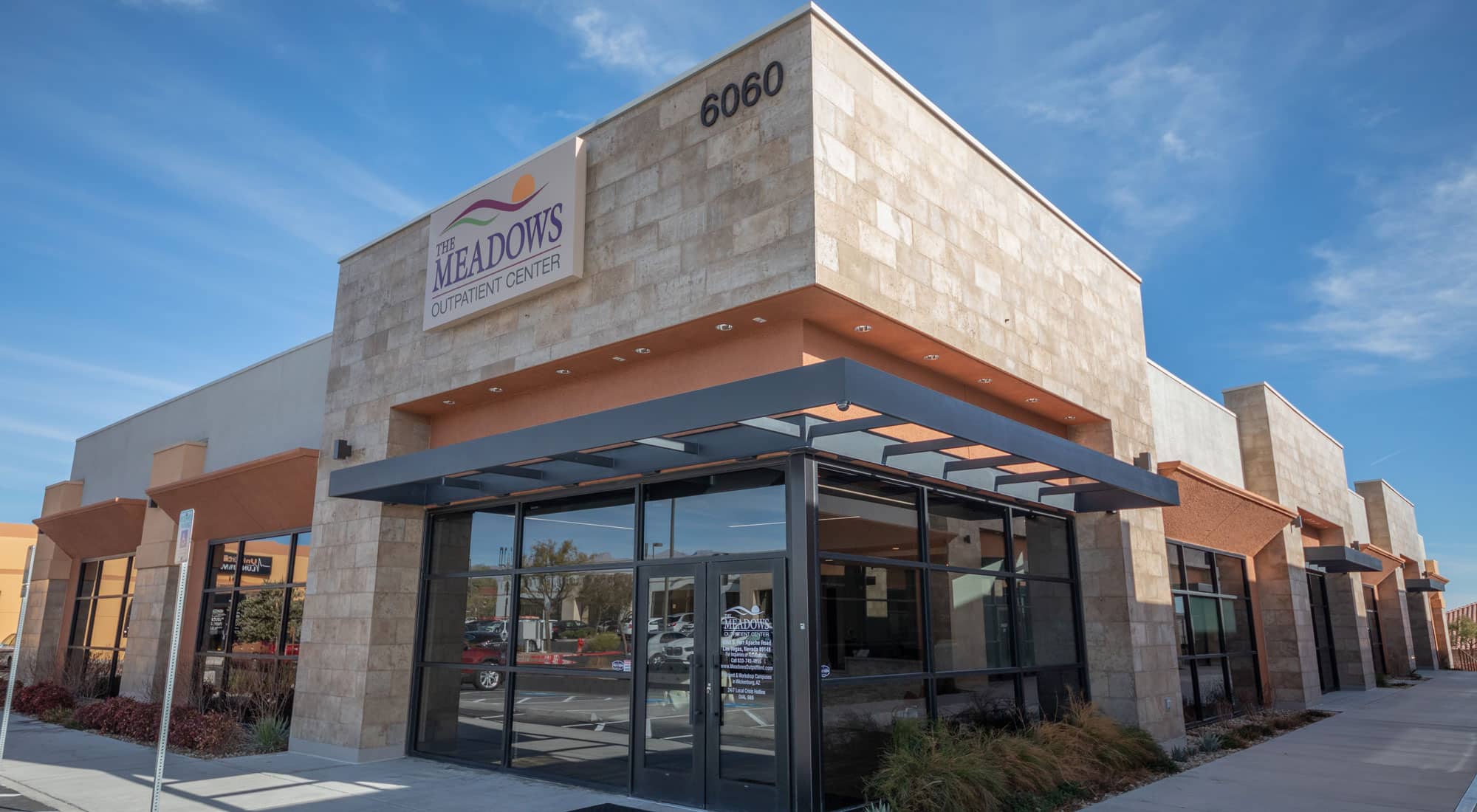
If you’re looking for a level of care that offers real structure without pulling you away from work, school, or family, The Meadows Outpatient Center is here to help. Our intensive outpatient programs combine evidence-based therapy, compassionate guidance, and flexible scheduling to meet you exactly where you are in your recovery journey.
Whether you’re stepping down from a higher level of care or realizing you need more support than weekly therapy can provide, our team is ready to walk alongside you. Contact us today to learn more about our Intensive Outpatient Programs and how we can help you move forward with your life.